
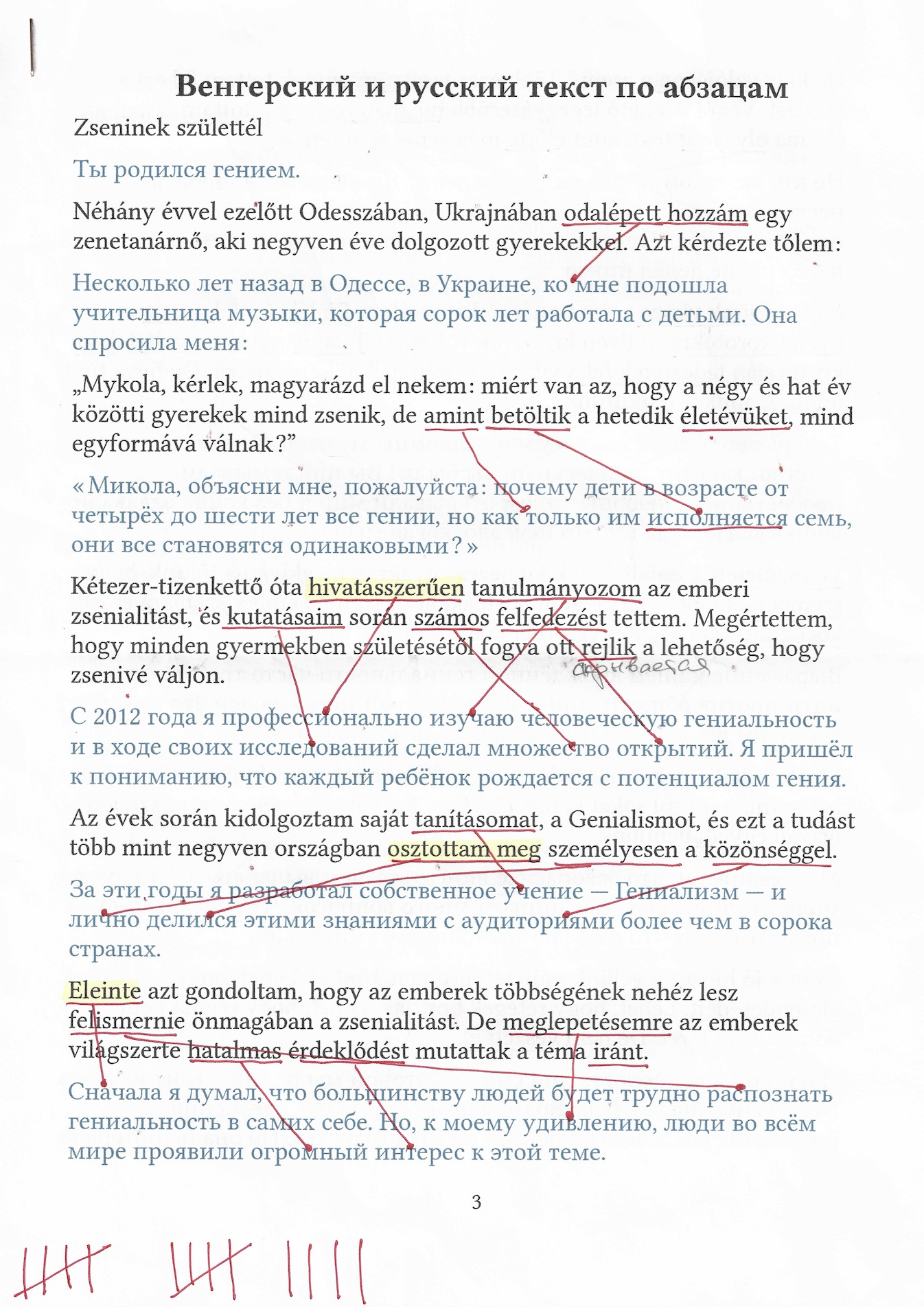
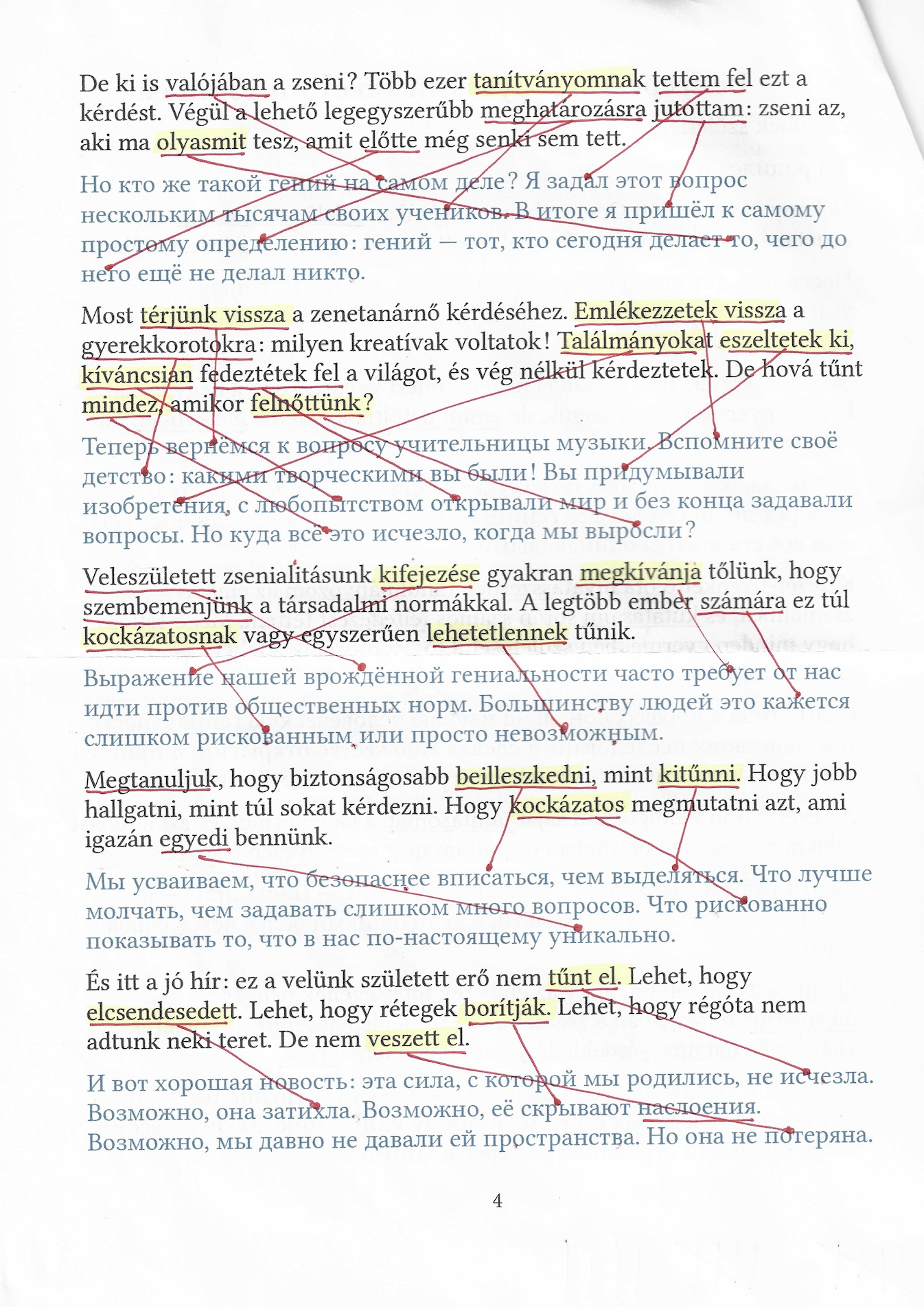
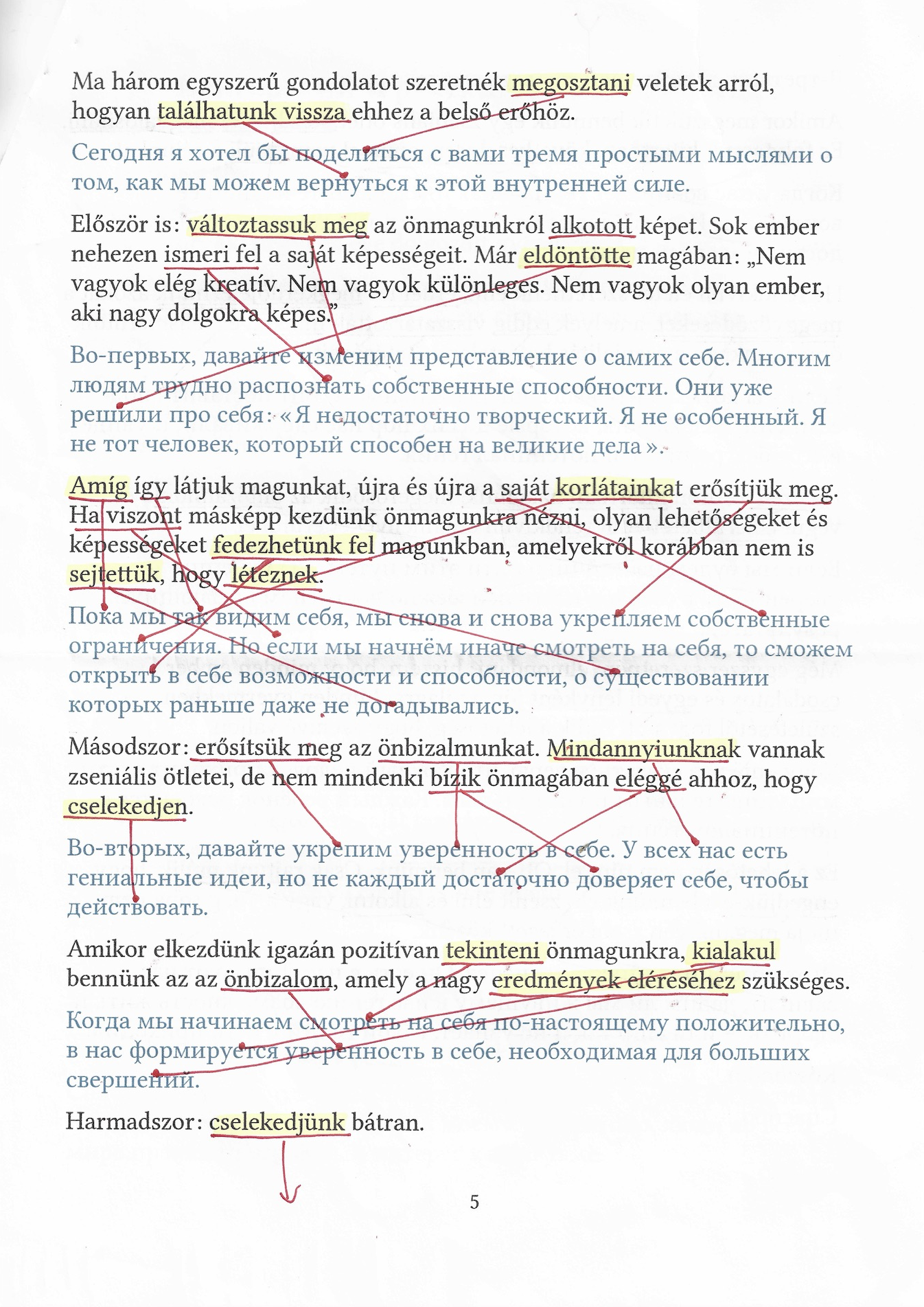
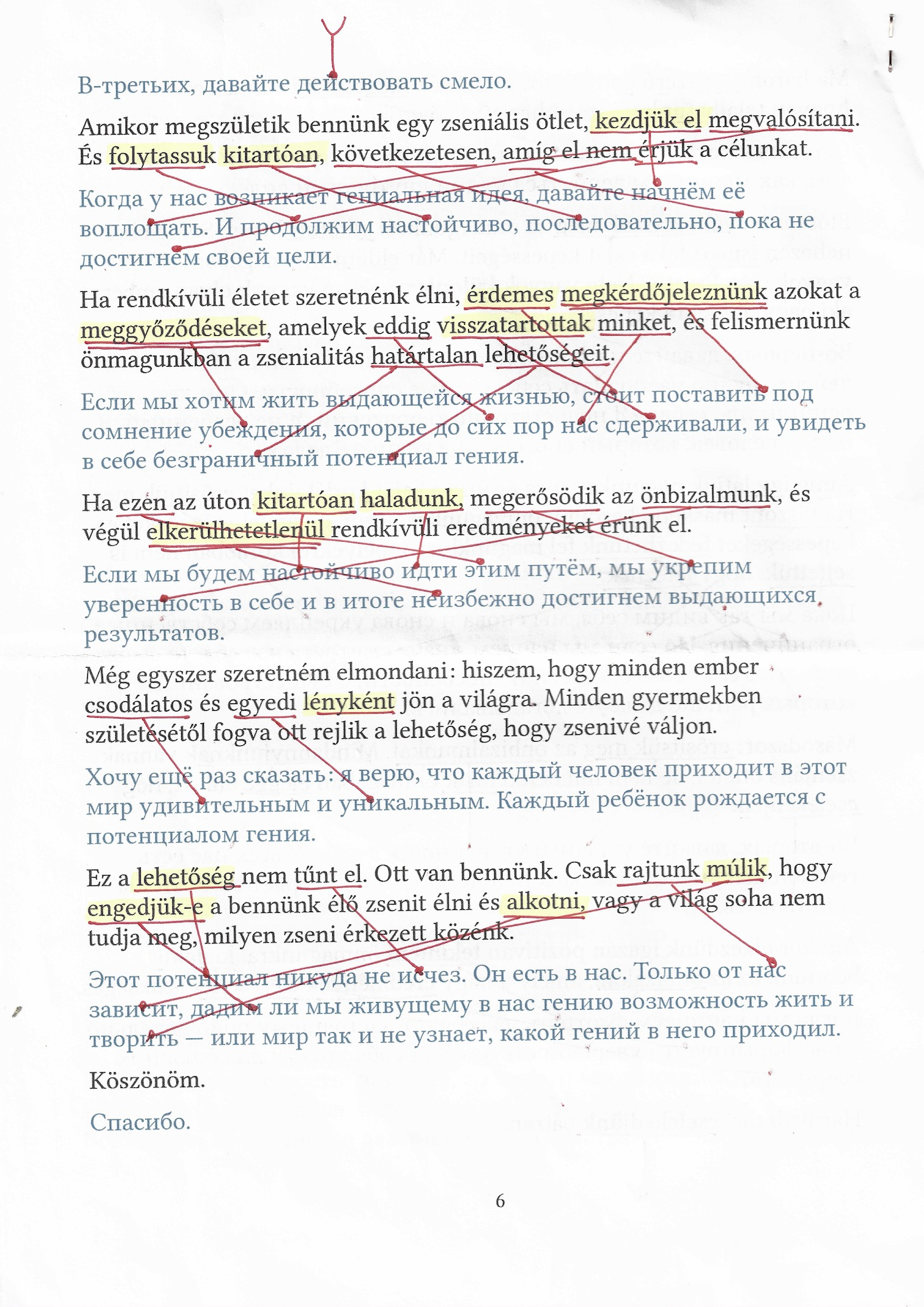
This week, I gave another speech in Hungarian at a Toastmasters public speaking club in Budapest. I had been putting off preparing my next speech for a long time, sabotaging myself. But eventually, I realized that a gap of one year and nine months between speeches in Hungarian was far too long. So, nine days before the meeting, I volunteered to prepare my next practice speech at the B2–C1 level.
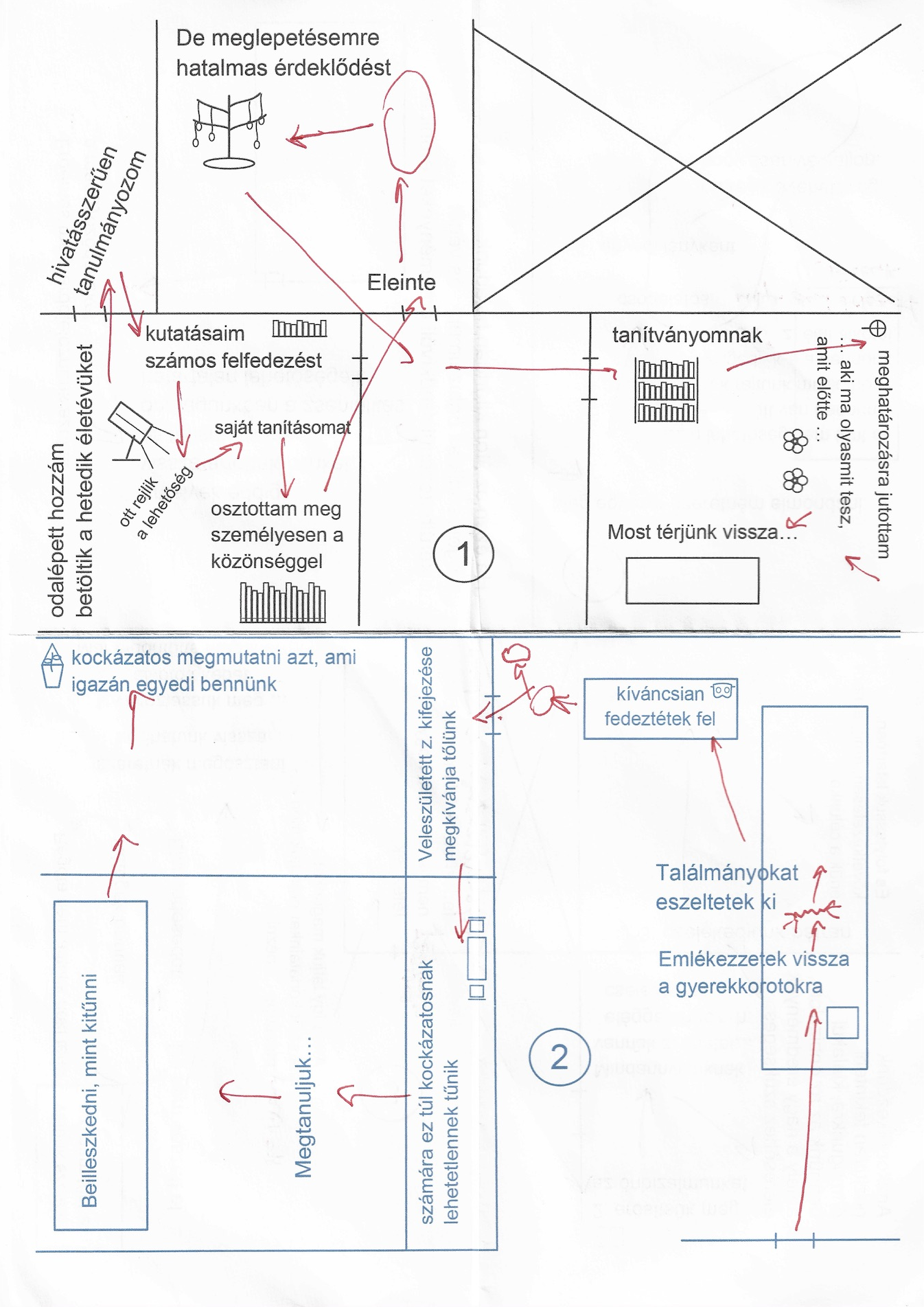
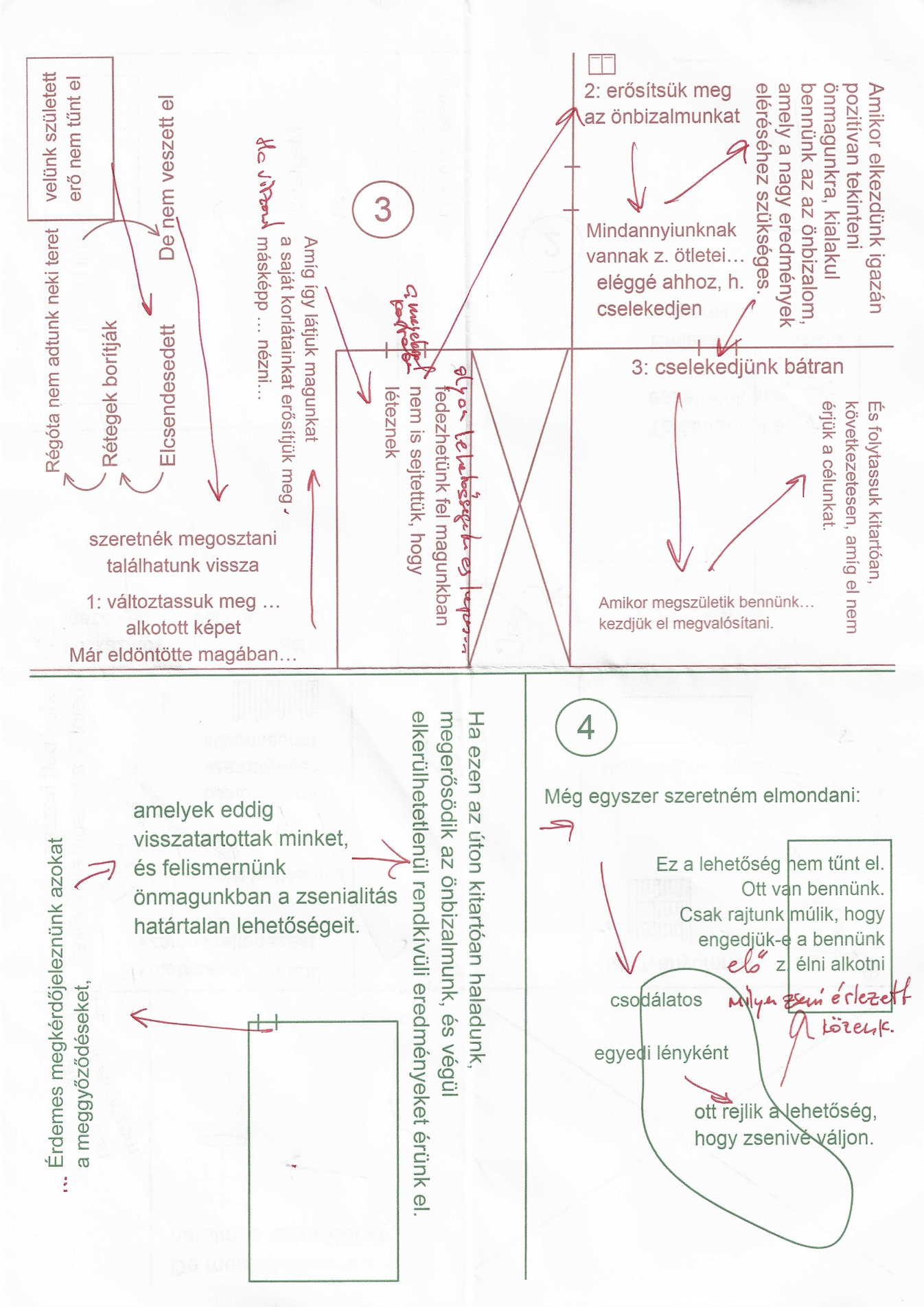
I overestimated my abilities so much that I failed to notice something: almost my entire speech was built around abstract concepts. The very concepts I always tell my students are difficult both to memorize and to take in. And, most importantly, listeners find it extremely difficult, and often almost impossible, to retain them.
It was only on the day of the speech that I finally understood why I simply could not learn my own speech. I had used at least three different approaches to memorizing it and put in an enormous amount of effort; still, I could not learn the whole thing. I had to use notes (which, in principle, is allowed, but I really did not want to).
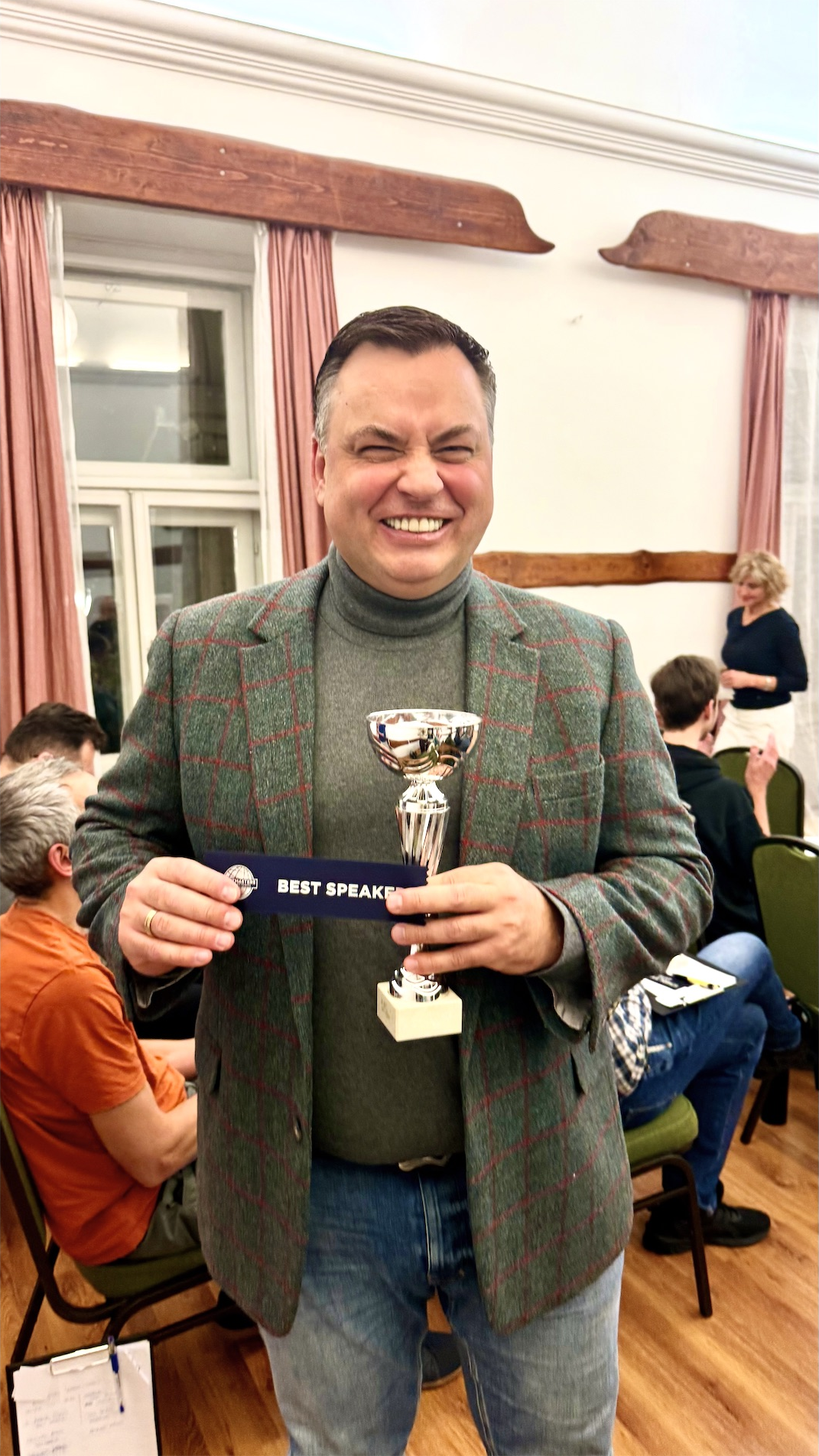
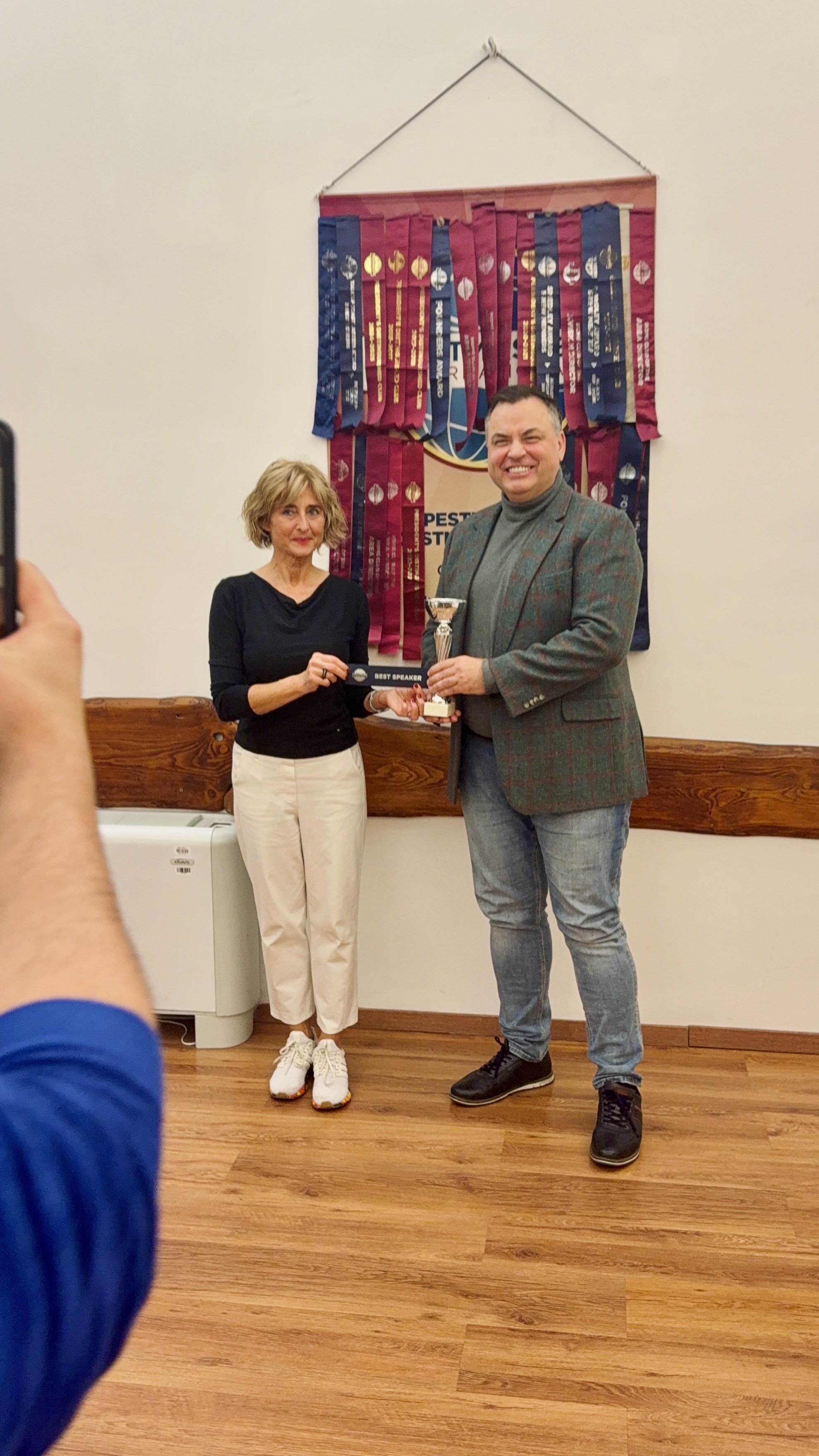
Still, there was no backing out. I gave the speech. Fortunately, the Hungarians in the audience really liked both the topic and the delivery. They were not bothered when I occasionally forgot words, mixed up word endings, or mispronounced something. And that evening, I even won the Best Speaker award!
Now I am preparing my next speech. This will be my third speech in Hungarian. But this time, I have decided to move as far away from abstractions as possible, to fill my speech with stories, examples, and vivid images. Because I do not want to put myself through that kind of stress again.
I drew a serious lesson from this. Or, rather, my own experience reminded me once again of what I teach others: if we want to be memorable, if we want to communicate information in a way that stays with people for a long time, our speeches need to be filled with stories.
Abstractions can impress. They can sound powerful, sophisticated, and even scientific. But they are extremely difficult to remember.