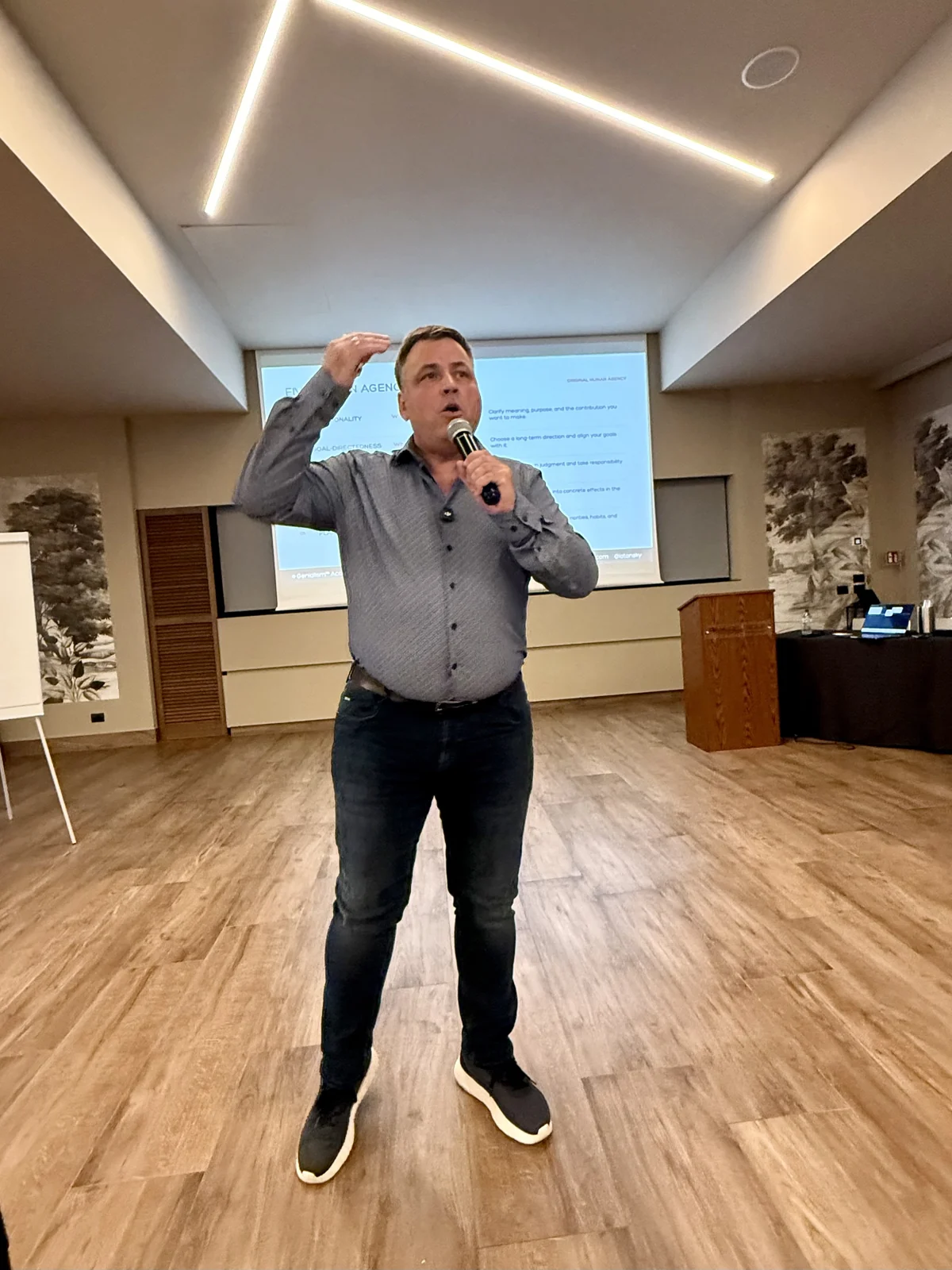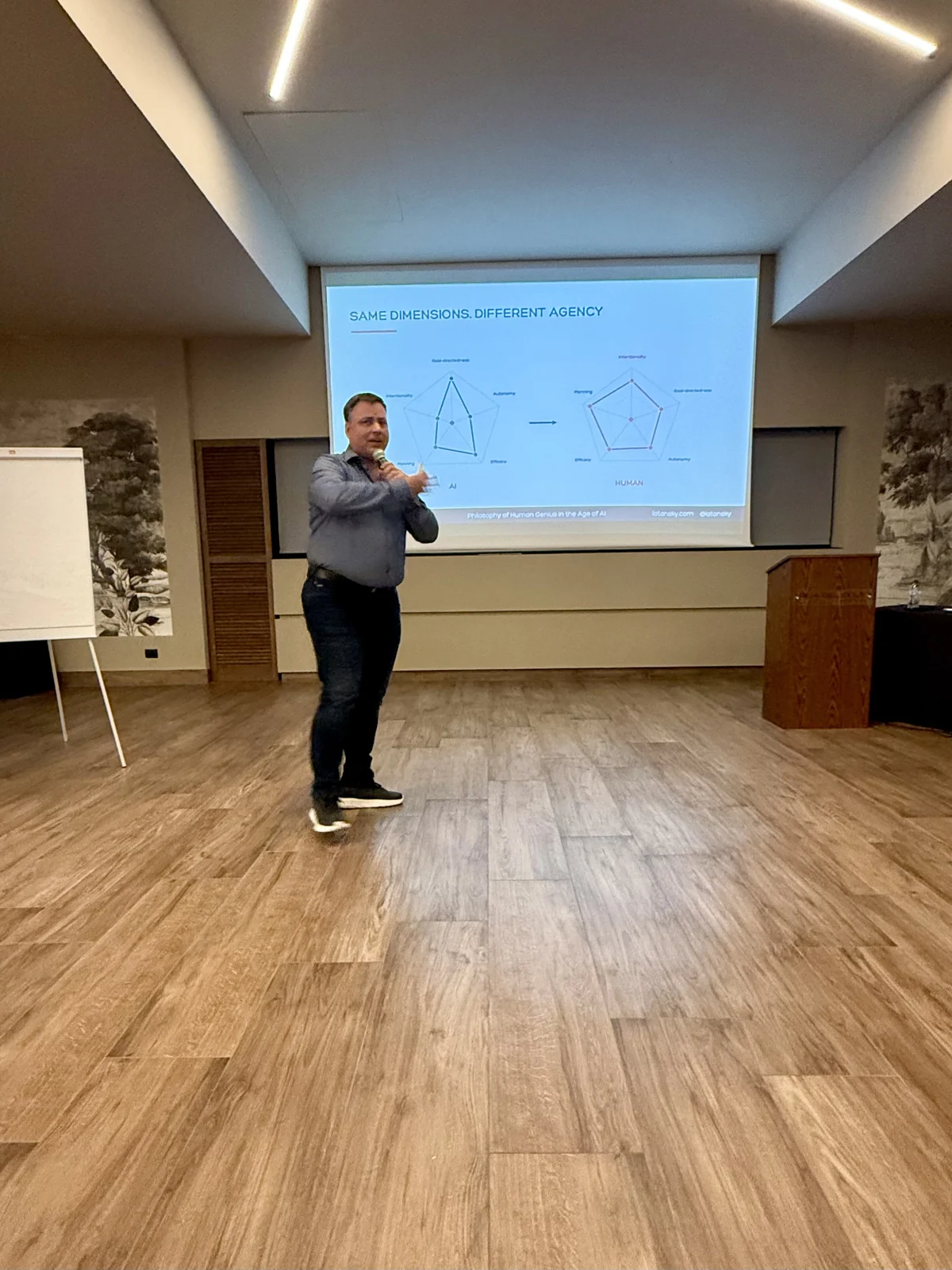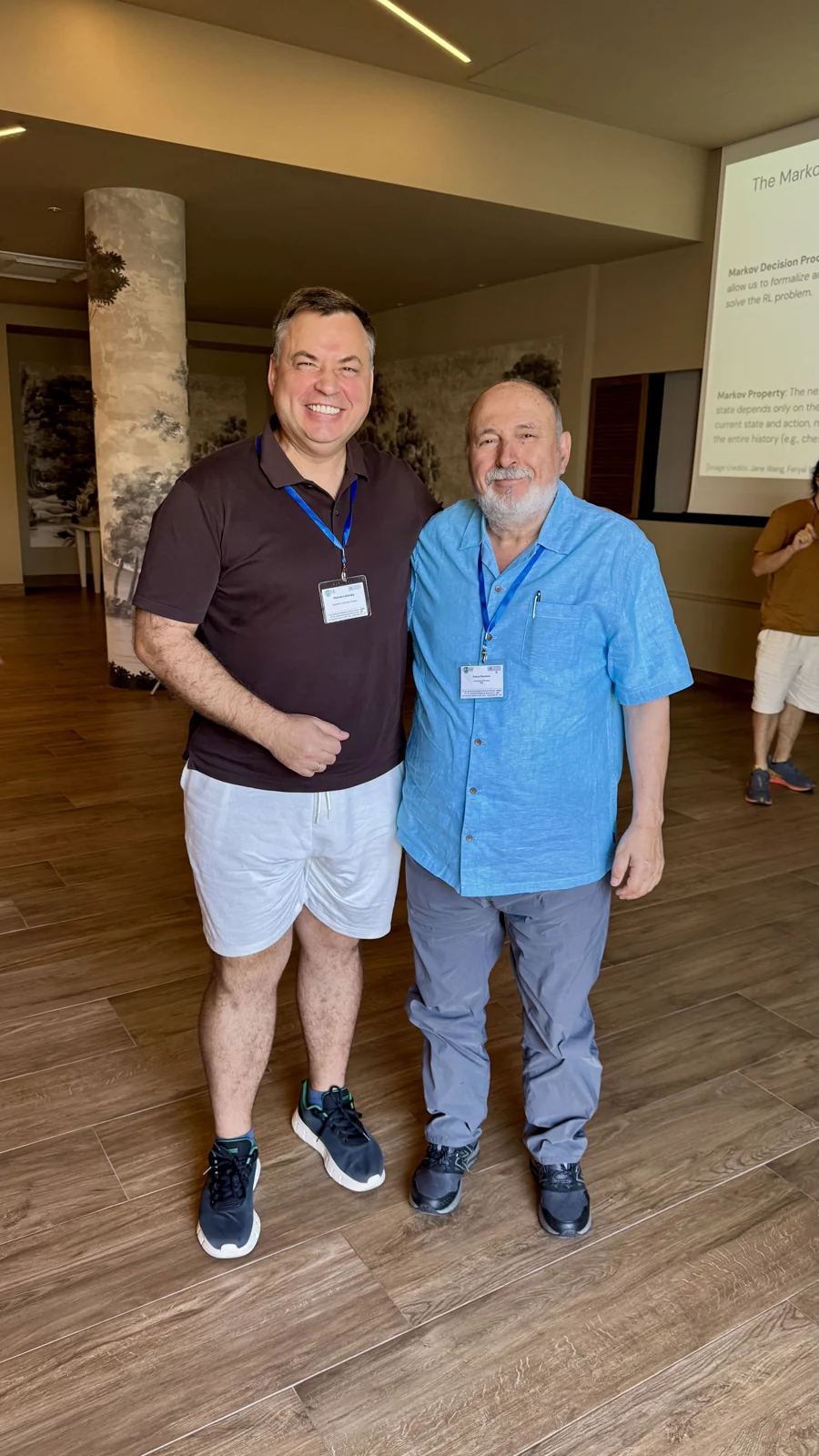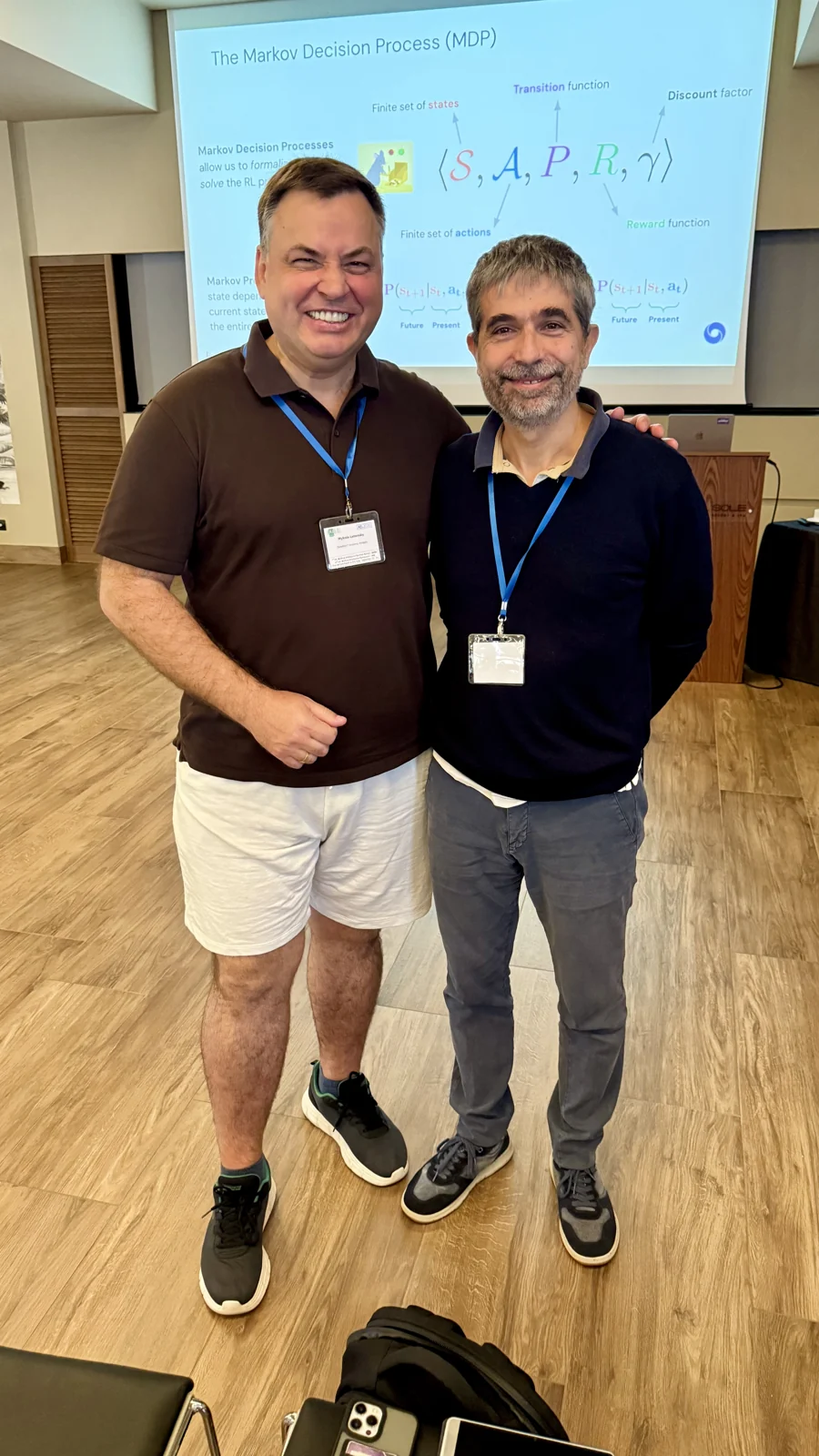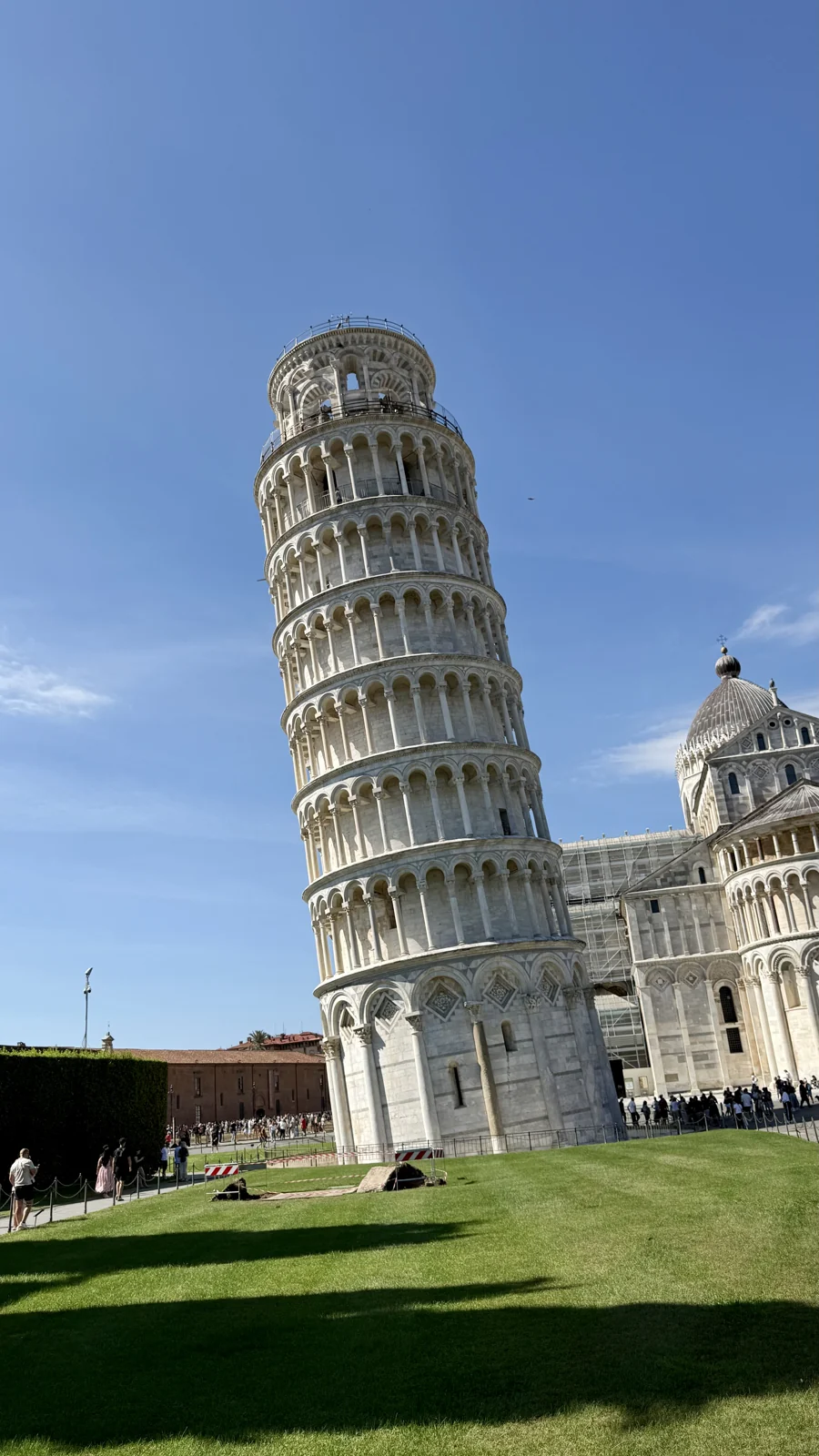
What do the Leaning Tower of Pisa, the Tyrrhenian Sea, and artificial intelligence have in common?
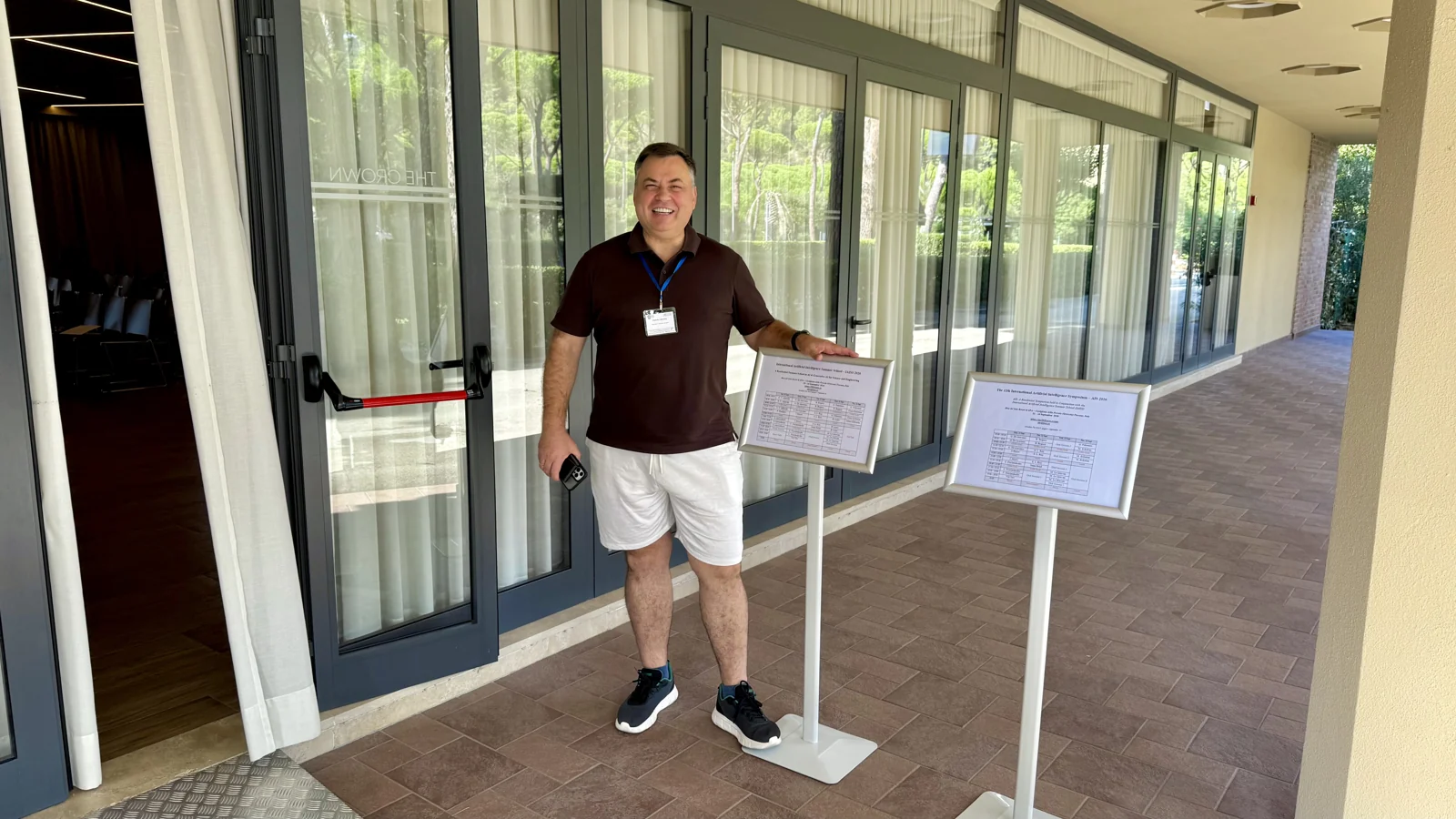
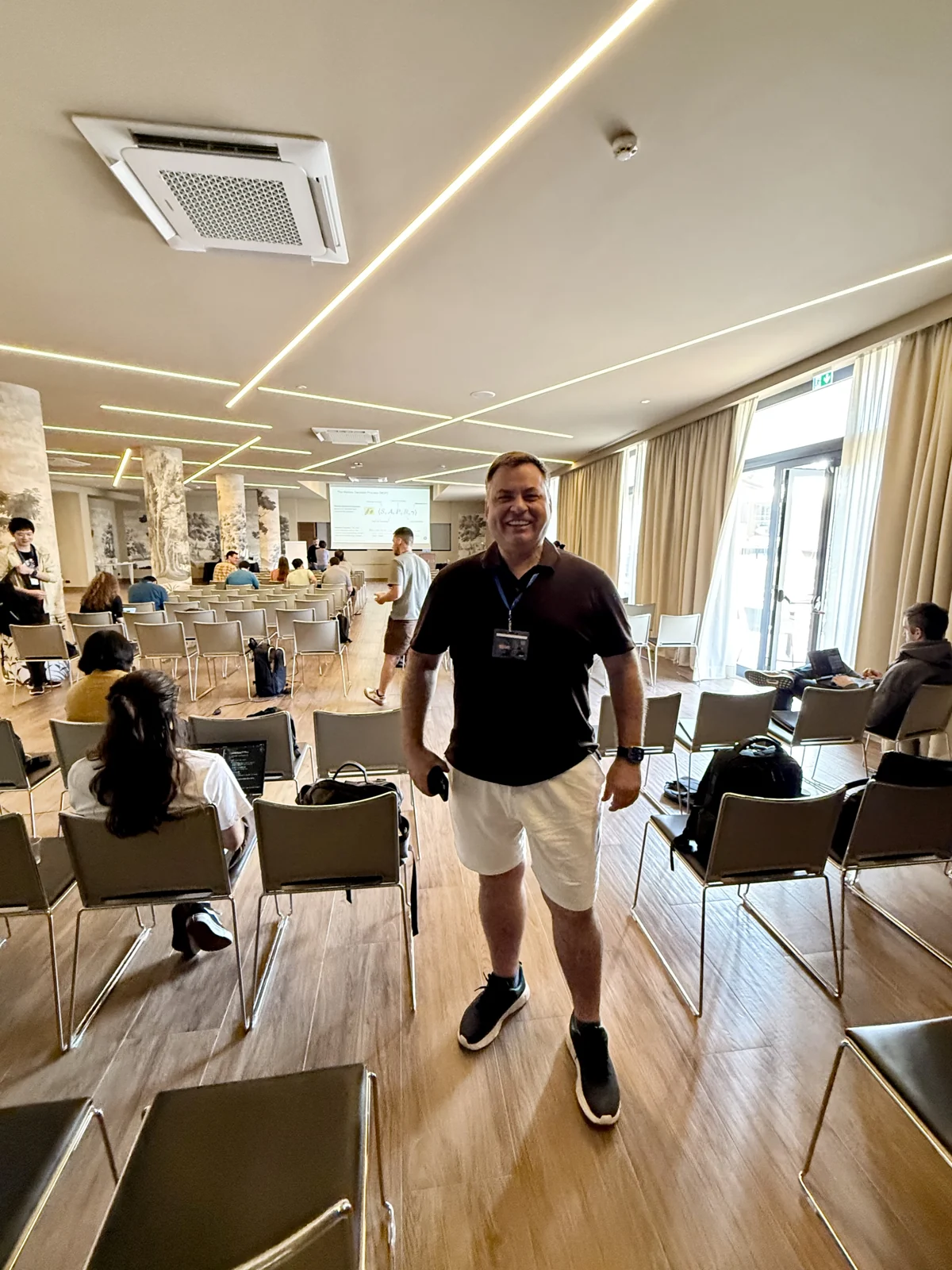
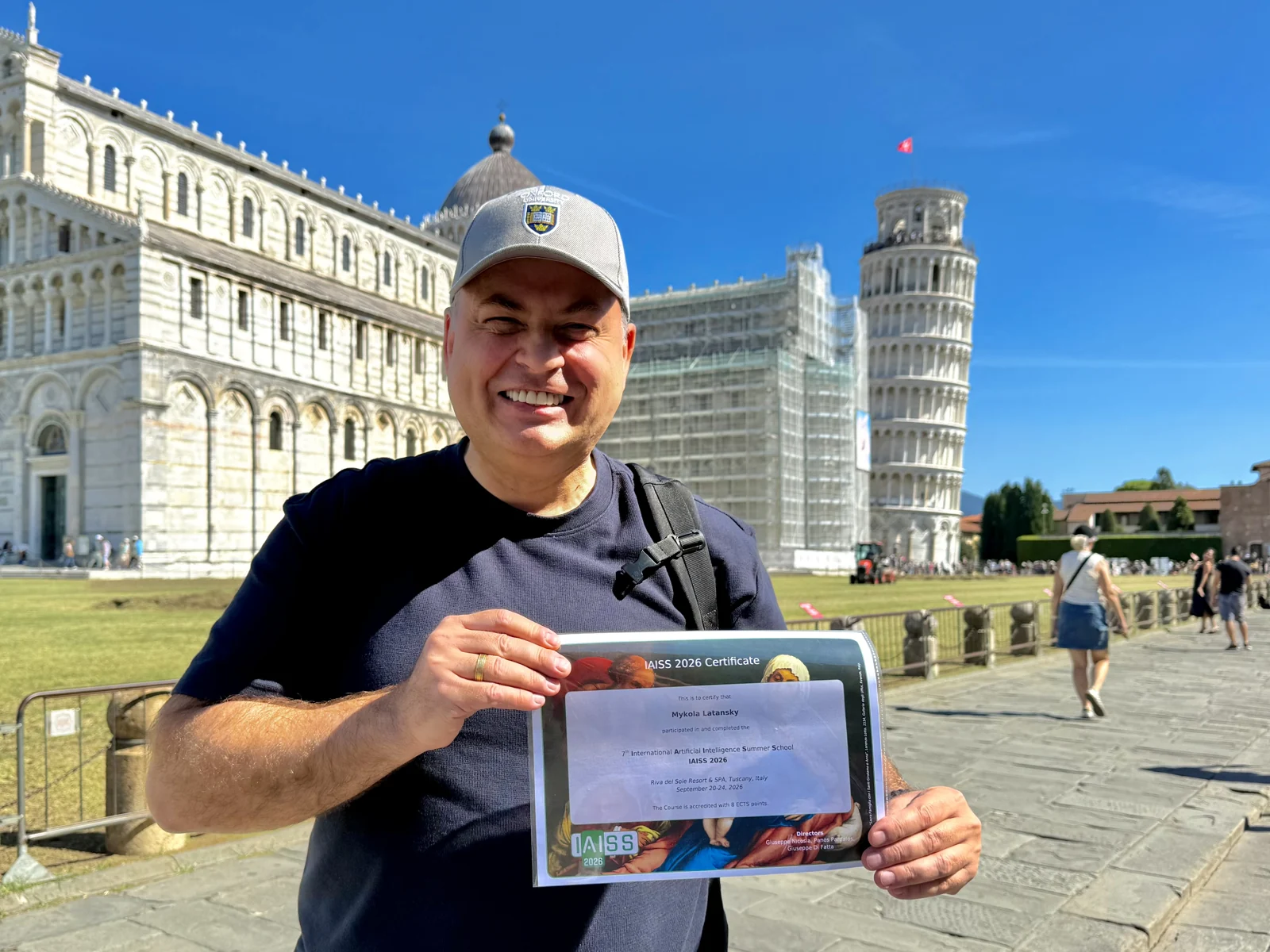
On September 20–24, I joined IAISS 2026 at Riva del Sole on the Italian coast in Tuscany, where young researchers and leading scientists come together.
I was fortunate to learn from these brilliant minds and share my ideas on Original Human Genius—human creativity and agency in the age of AI.
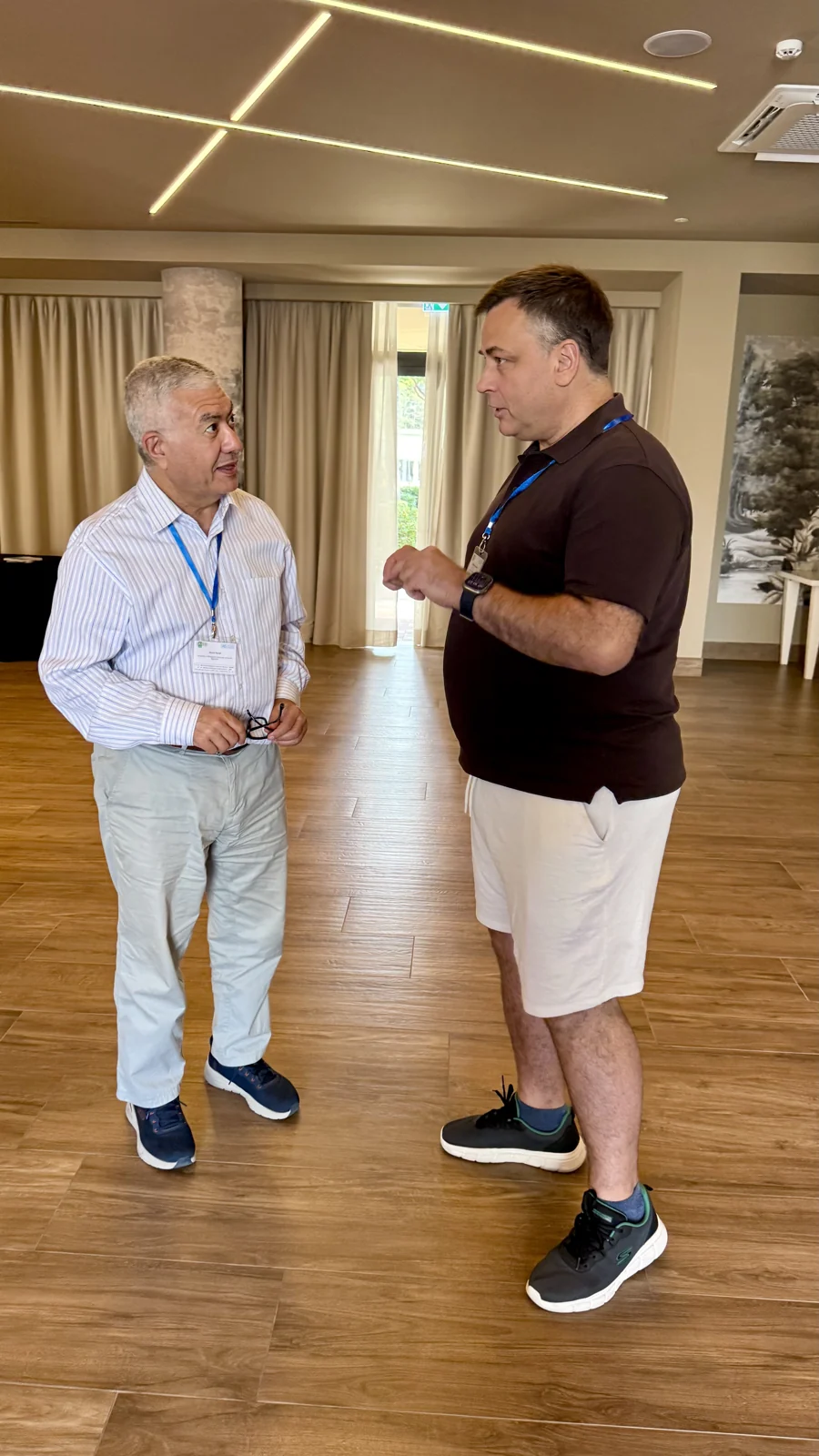
Heartfelt thanks to Giuseppe Nicosia, Panos Pardalos, and Giuseppe Di Fatta for bringing us together.
Stefano V. Albrecht of NTU Singapore helped me understand how AI learns to act alongside other agents. His candid advice on the hidden challenges of the PhD journey was especially valuable.
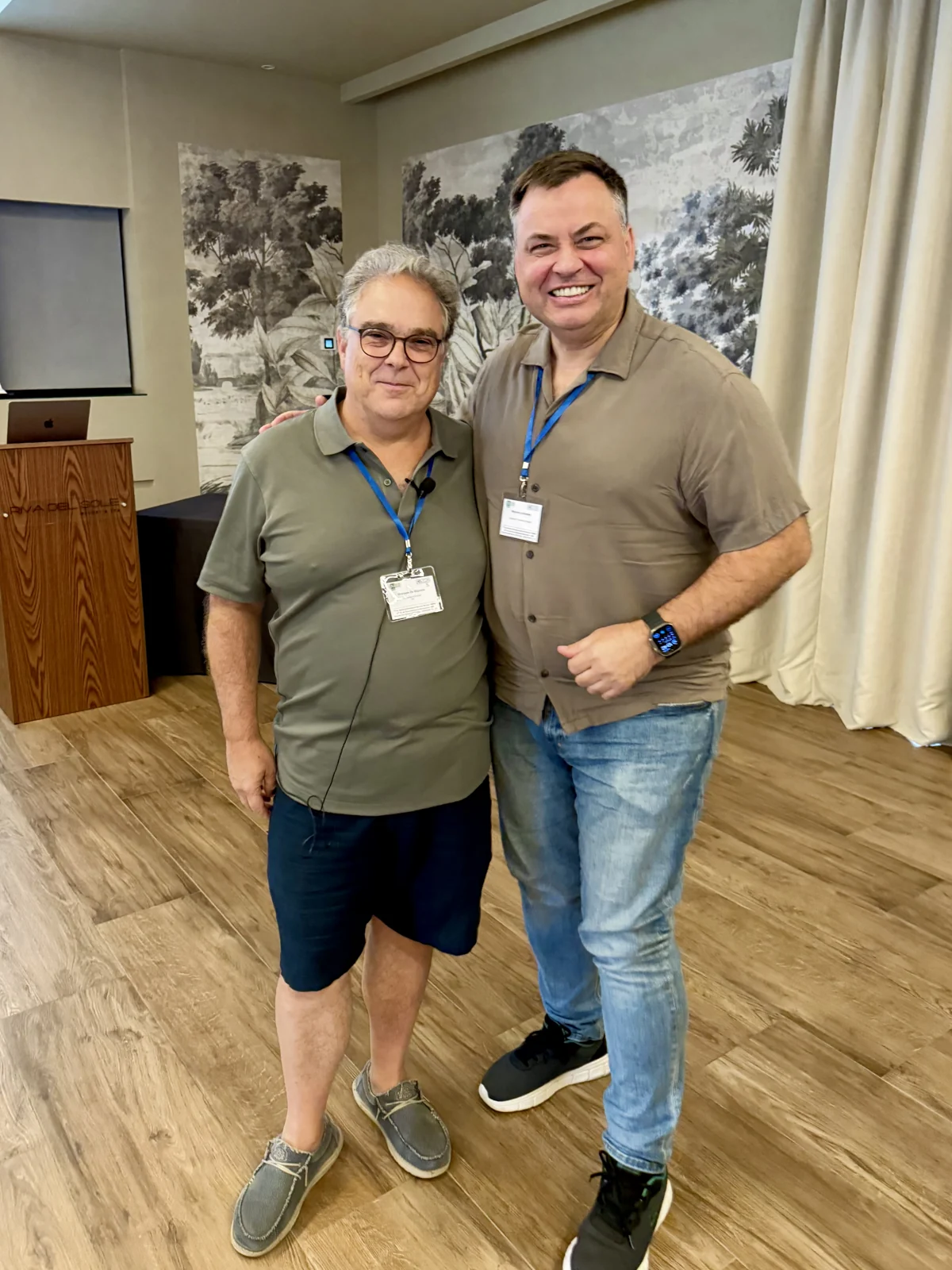
Giuseppe De Giacomo of Oxford blew my mind with temporal logic and verifiable safeguards for AI agents. A world I had barely explored suddenly felt essential.
Thank you also to Sven Giesselbach for his lectures on agentic AI.
Jamie Hayes of Google DeepMind gave a sobering lesson on prompt injection: how external text can steer an AI agent toward dangerous instructions. When that agent can access your data and tools, the consequences become very real. It sent shivers down my spine.
Christoph Feichtenhofer of Meta Superintelligence Labs—thank you for showing how data shapes AI’s ability to connect images with language and identify objects.
Rafal Bogacz of Oxford—for predictive coding: learning through prediction errors, and its connections to the brain.
Sebastian Risi—for neuroevolution and how evolutionary ideas can help build more adaptive AI.
Sumi Helal—for smart spaces and the Internet of Things. This felt deeply familiar. Over 20 years ago, I founded and ran an engineering company automating smart homes and intelligent buildings. My earlier work met my current interests.
Georgios Paliouras—for uncovering hidden patterns in streams of events and anticipating what comes next.
Bruno Lepri—for the social intelligence of AI agents: memory, planning, interaction, and collective behaviour.
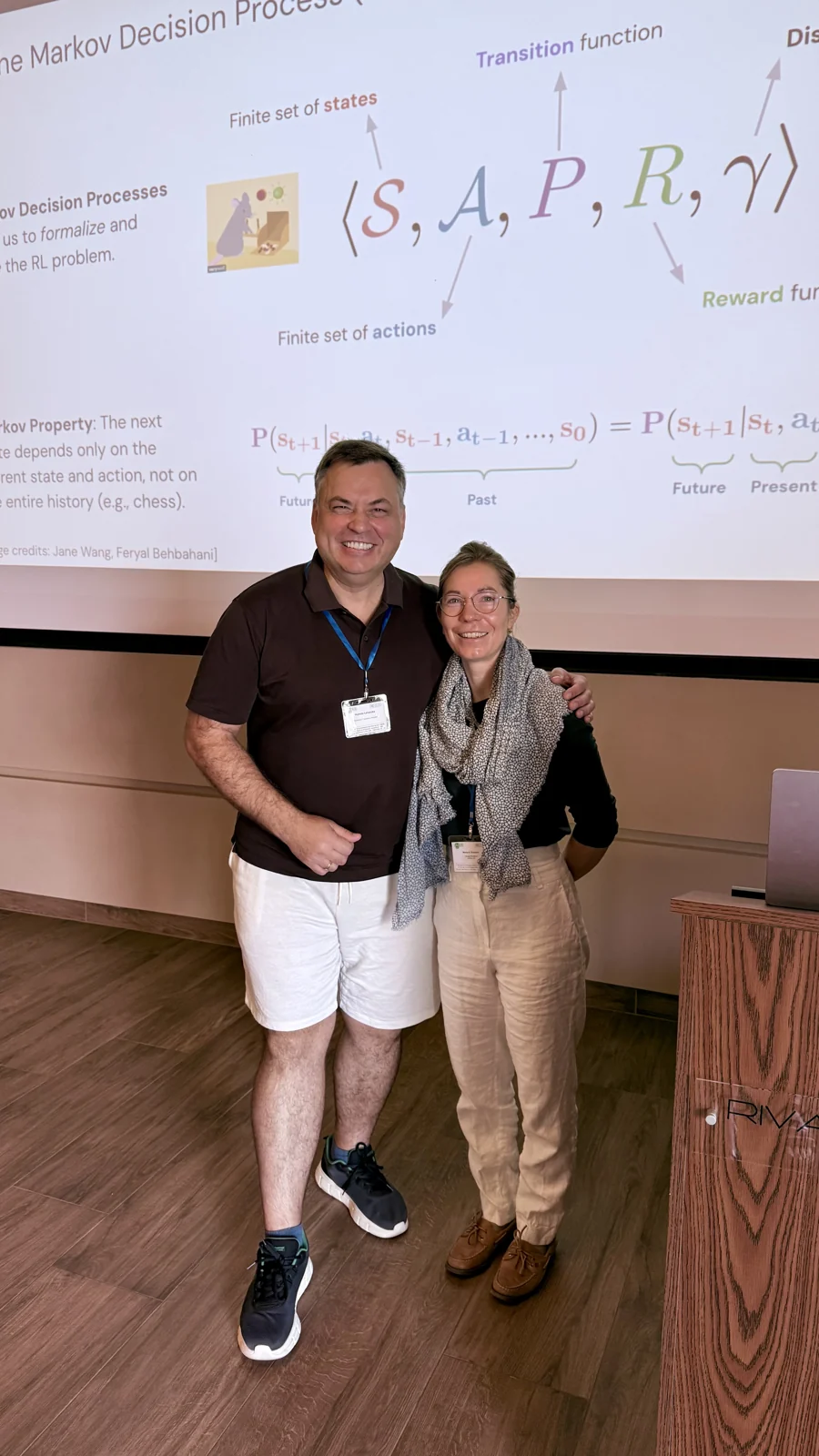
And a special thank you to Maria Eckstein of Google DeepMind. Her lectures on human learning and decision-making helped me find an answer I had sought for years: what can weaken our drive to grow amid prosperity, and why flourishing societies may enter decline. This is my personal insight, and a question I will keep exploring.
To everyone: thank you for a week that broadened my horizons and brought things into focus that I had previously overlooked.
I left with a deeper understanding of AI—and new questions about ourselves.
In building AI, we model aspects of human ability. By studying those models, and their limits, we may also come to understand ourselves more deeply.
Photos from IAISS 2026 and Pisa